
THE QUIETEST PLACE IN THE WORLD
Stalker, Late Socialism, and Late Capitalism

2001
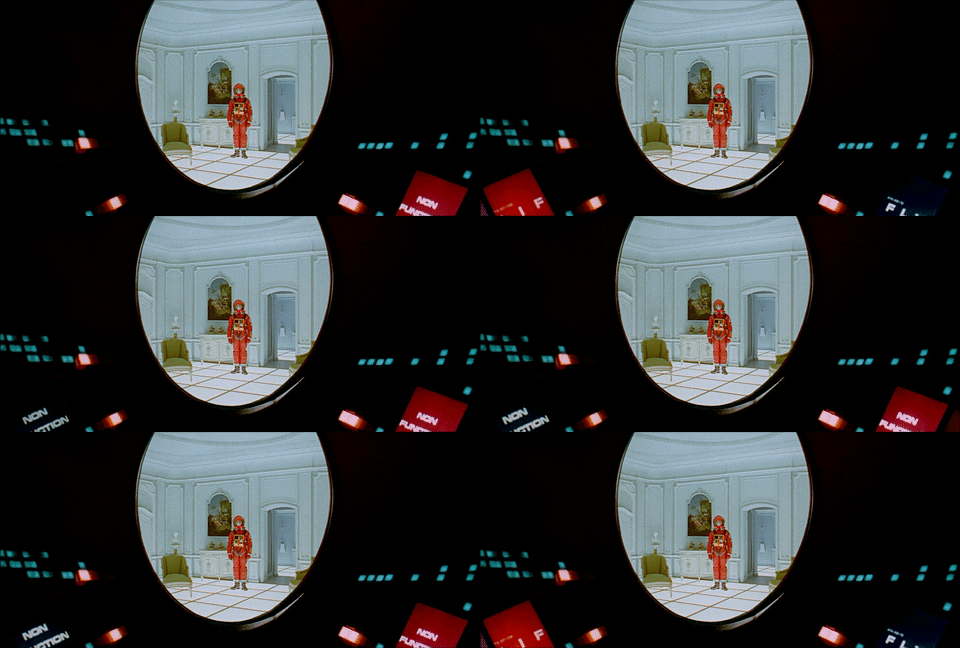
Late last year, I went to the theater to watch Kubrick’s 2001. During the screening, I was overwhelmed by the transcendent and philosophical atmosphere that is projected by the obsidian monolith, the catalysts of human evolution. I immediately drew connections to a kind of transcendent monolith in our world, a similarly black mirror: the computer screen.
Cybernetic computer systems, I argued, are emerging during a particularly important period of human development. Because of capitalist realism, the power of these electronic systems presents us with a choice: a choice between machinic subservience, and genuine human development that can grow beyond these all-encompassing communication networks.
The difficulty here is that the latter choice feels unattainable, out of reach, or a relic of lost futures.
But I did argue that the a good first step forward is to, quite simply, be real. When the world around us feels increasingly fake or obscure, the only reasonable next step is to look inward, into ourselves, and bring what is inside out - there’s something inside… set it free.
It only recently dawned on me that this simple act of reprisal, the simple notion of self, is actually a frightening sign of something far more unsettling that lurks in the unspoken ether of late capitalism…
STALKER
Recently, I re-watched Andrei Tarkovsky’s 1979 “science-fantasy” film Stalker.
In Stalker, there exists a closely-guarded “zone” where nothing is quite as it seems. Physics, time, and natural laws are distorted and abstracted. Strange occurrences and anomalies are present, and there exist numerous “traps” and projections that disorient those who enter the Zone. It’s a world out of time, where danger lurks around every corner.
The zone is encircled by a security cordon, and entering the zone is illegal… and highly dangerous. There are individuals - stalkers - who enter the zone and guide individuals through the hazardous landscape. Somewhere deep in the zone, there exists a Room that, upon entering, is said to grant one their innermost desire…
When the film ended, I remember feeling a little lost. Not confused, or like I had missed something - rather, I felt like I had actually returned to the real world: it’s like I had actually travelled to the Zone with the three protagonists, and had to now, quite solemnly, return to the Real.
Stalker is loosely based on the 1972 science-fiction novel Roadside Picnic by Arkady and Boris Strugatsky, two brothers born and raised in the USSR. The novel shares only a couple notable connections to the film: the concept of stalkers, and the mysterious zone where things aren’t as they appear. The film is Tarkovsky’s exploration of faith and belief, with the Strugatsky’s fictional Zone1 providing an appropriate setting for Tarkovsky to delve into human desire and the unconscious.
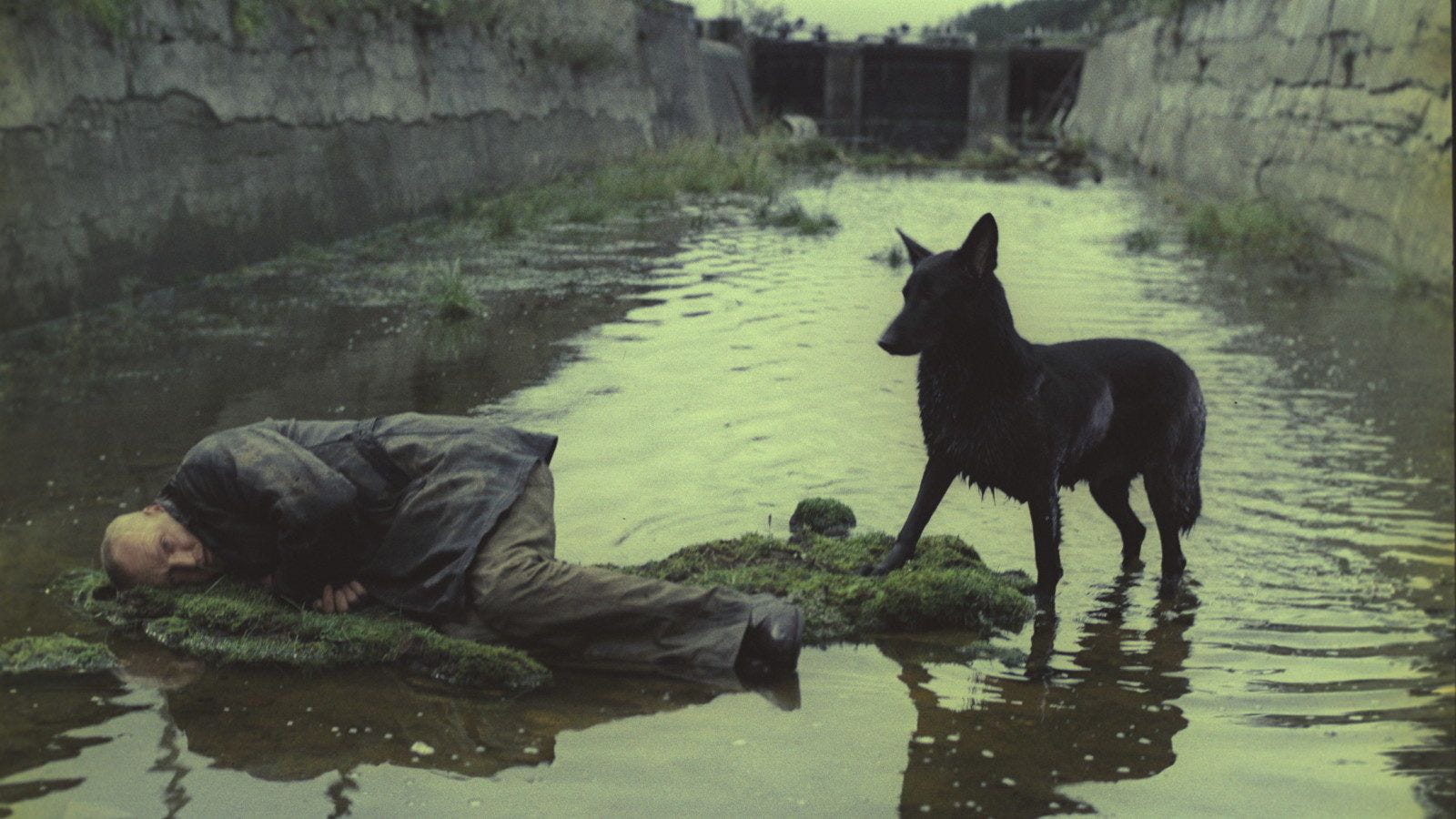
During my viewing of 2001, I was immediately struck with the contemporary comparison of the monolith to computers. Stalker left me with no such clear comparison, nor with any substantially deeper inquisitions… at least, not initially. I felt like I clearly understood the messaging of the film - perhaps we are not truly made to know our deepest desires, and if we did, what would we gain from such revelations? How do we maintain faith in an increasingly faithless world? Perhaps what we think we want is far from what we truly desire…
These are the truly important thematic elements of the film. We may say they are probably the most culturally important aspects of the film, especially when it comes to film analysis and culture at large. But there is something else about the film that I fear will become increasingly lost as we move forwards in time, and that is that the film is actually a great allegory for where we are now, in the strange world of late-capitalism.
Stalker is a film about hope, faith, desire and truth - a lot of this has been spoken about in depth already, and fear I can’t really add anything of substance in this area.
But it is also a film about a moment of time in the slow, strange decay of the Soviet Union - and the truth is, today’s strangeness mirrors the strangeness of that slogging empire… but probably not in the ways you may think.
Зона (Zone)
A Stalker (Aleksandr Kaydanovskiy), recently out of prison for entering the zone, has been hired by a Writer (Anatoliy Solonitsyn) and a Professor (Nikolay Grinko) to escort them to the Room. The Stalker’s Wife (Alisa Freindlich) chastises his return to the Zone and laments her life with him - he has left her with a mute Daughter (Natasha Abramova), who is purported to be suffering from strange mutations and the inability to walk, something that exists purportedly in the offspring of those who explore the Zone. In a harrowing sequence, the Stalker’s Wife writhes about on the floor as he departs to meet his most recent employers.
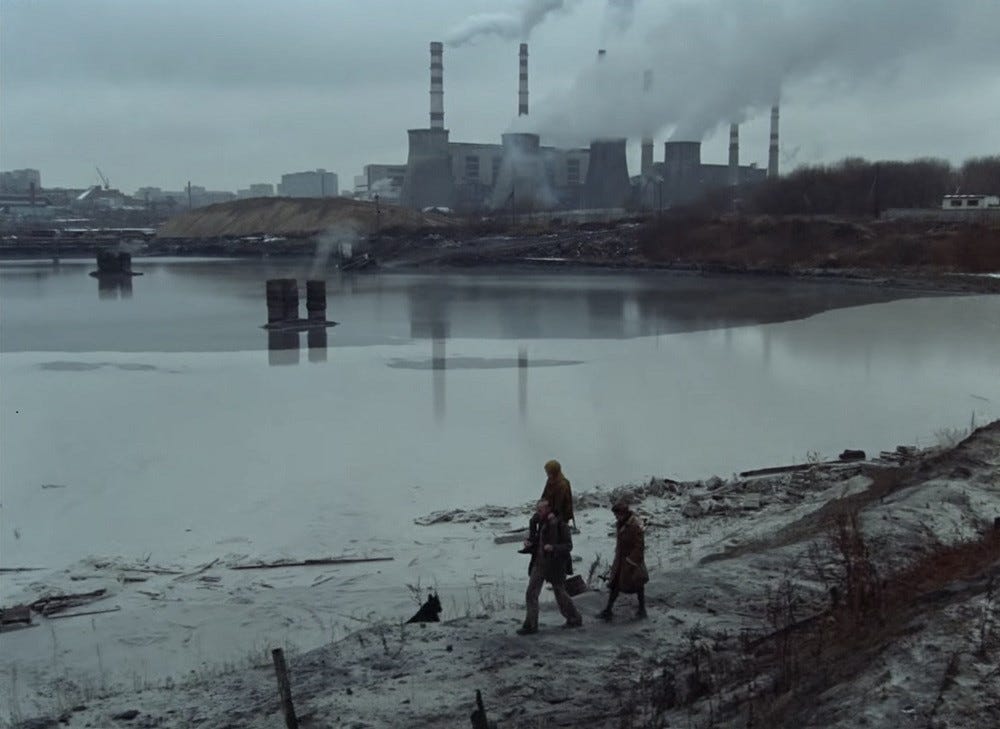
The Stalker meets the Writer and Professor at a bar. They then sneak through a decaying and decrepit industrial city and break through the security cordon, where they take a railcar deeper into the mysterious Zone.
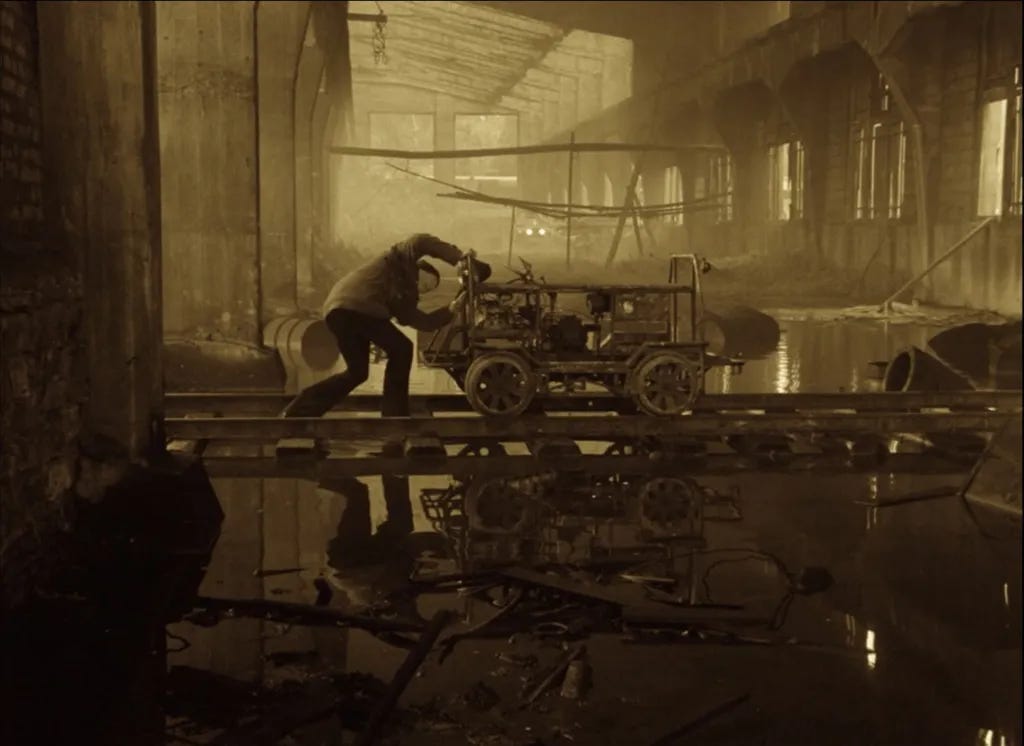
“The Zone is... a very complicated system of traps, let’s call it… and all of them are deadly.”
The landscape is deceptively alien - there resonates a mysterious familiarity amongst the landscape. The decaying ruins, the verdant growth, and the decrepit formations of abandoned utility stations serve as meditative reminders of mankind’s temporary defiance of nature.
The Zone is fraught with danger, but the danger lurks unseen, in shadows, in the ether, out of sight and out of time. The Stalker checks for traps by tossing metal nuts adorned in white bandages, as a means to detect or trigger unseen anomalies.
As the trio traverse the verdant wastes, we learn about their desires, their reasons for entering the Zone. The Writer seeks a return of form, of inspiration, of a renewed passion for his craft. Having lost a curious mind, he constantly harangues the Stalker for his exuberant caution. The Writer doubts the conditions of the Zone, doubts their legitimacy, and questions the need for caution.
The Professor is in search of understanding: he seeks answers regarding the mysteries of the Zone. He is more accommodating of the Stalker’s caution, and keeps his knapsack close by at all times, which contains supplies. A black dog follows the group from a distance, freely moving about the Zone’s greenery, and even joins them during a brief rest.
The Stalker explores the Zone as selfless altruism. He guides strangers through the Zone to achieve an awakening he will never experience, as he has never entered the Room. The Stalker’s journey is one of faith and belief in a world that is built upon hope in a verdant land, a world which exists in stark contrast to the industrial dystopia that lurks outside the security cordon.
The Stalker needs the hope of those he escorts through the Zone.
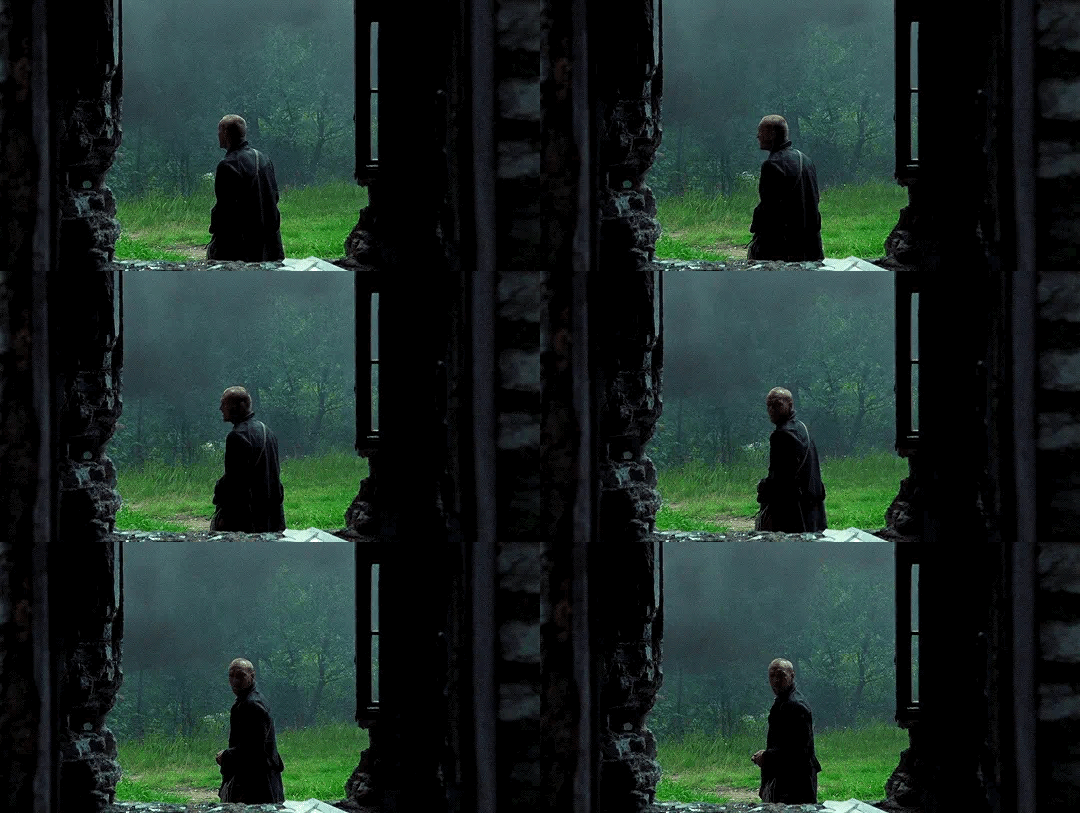
As they meticulously traverse the Zone, the Stalker relays to his compatriots the story of Porcupine, a stalker who recently committed suicide. Porcupine, it is said, entered the Zone with his brother in an attempt to reach the Room. When they made it to the industrial facility that contains the Room, they are required to move through a lethal trap known as the Meat Grinder (myasorubka).
The Meat Grinder requires a sacrifice, and Porcupine knowingly sends his brother to his death - a sacrificial lamb to the wolf of desire. Porcupine immediately regrets this selfish act and enters the Room, begging for his brother’s return.
When he returns home, Porcupine receives a substantial financial injection.
He later commits suicide.
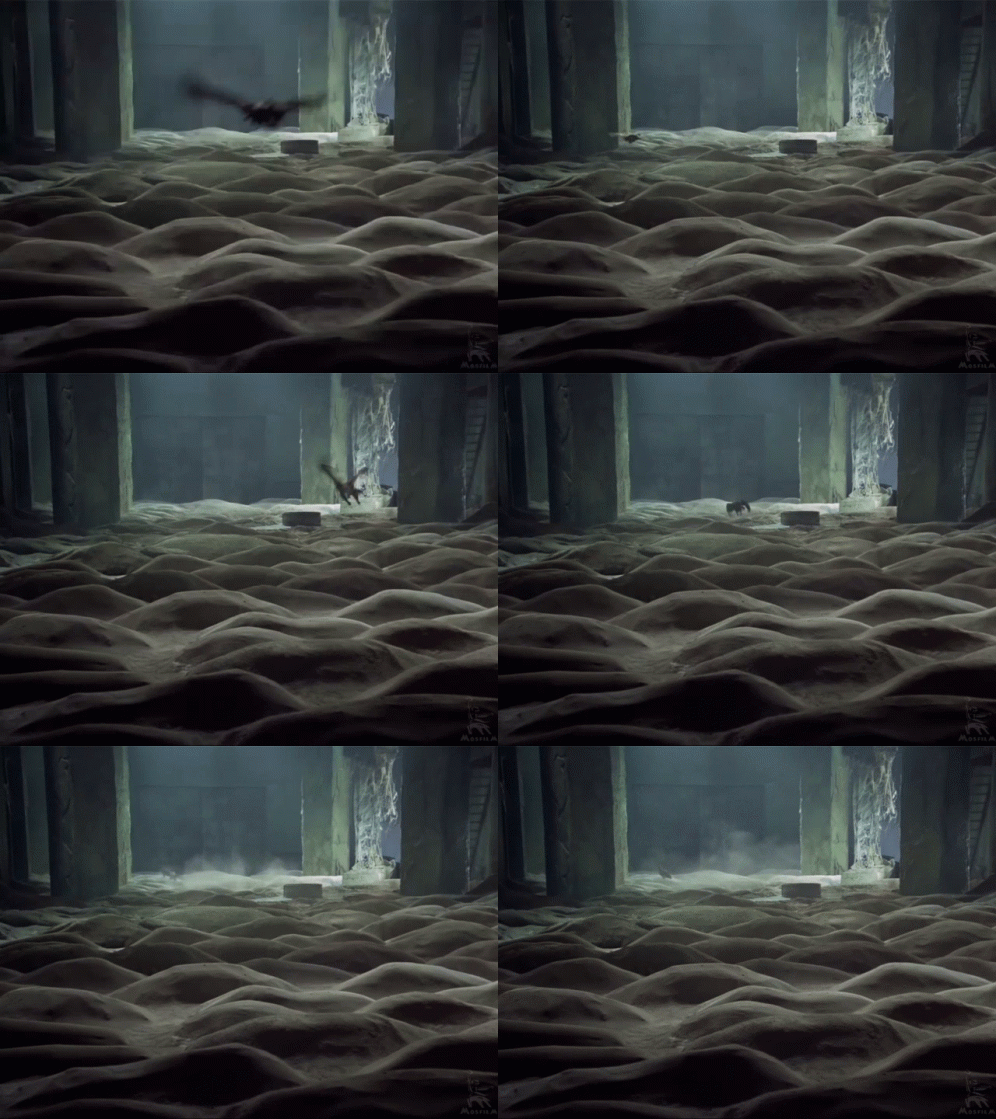
When the trio eventually reaches the structure that houses the Room, the men draw matches, and the Writer, in possession of the longest match, is the first into the Meat Grinder. In a strange twist of fate, he survives the anomaly. The Writer delivers a soliloquy to the camera, revealing that he has learned that the Room blesses those who enter with what their soul truly yearns for. The Writer discerns from the story of Porcupine that there is pain in knowing one’s innermost desires, because one’s innermost desire may be far from what the conscious self seeks.
The Stalker is taken aback at the Writer’s safe passage through the Meat Grinder. The Zone, the Stalker hypothesizes, has judged the Writer to be of good character, and has allowed him to pass through. The Writer chastises this assumption, and berates the Stalker for sending him as the vanguard into the Meat Grinder.
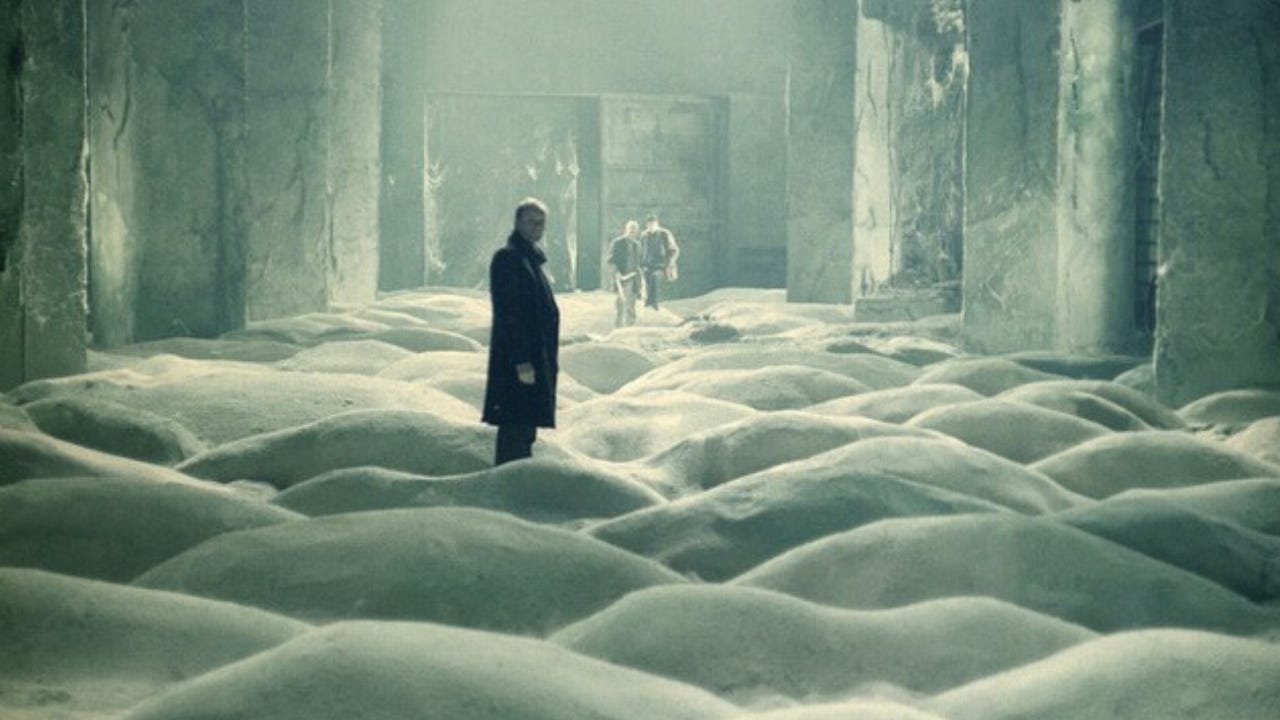
As the group recovers at the outset of the Meat Grinder, they sit in an abandoned room, where a mysterious phone rings. Here we learn that the Professor is seeking vengeance and retribution. The Writer discovers some long-lost sleeping pills, and adorns himself with a crown of brambles. The Stalker presses them on.
The trio approaches the Room, nerves frayed, tempers flaring, exhaustion mounting.
The Stalker has began to lose sight of his own altruism. His compatriots’ actions and conflicted words cause him distress, and challenge his faith. The Stalker insists his associates enter.
The Writer refuses to enter the Room.
The Professor gathers some items from his knapsack, and reveals he has brought along a bomb in an effort to destroy the Room, as a means to prevent anyone from misusing the Room for evil or malignant means.
The Stalker and Professor fight over the bomb. The Writer gets between them, separating the two. The Stalker delivers a futile plea for his own salvation:
“He wants to destroy your hope! That’s all people have got left on this earth! It’s the only place they can come to, if there’s no hope left for them. You yourself have come here! Why destroy hope then?”
The Writer chastises the Stalker yet again. The Writer accuses the Stalker of playing god, of playing tsar. The Stalker makes money off of other’s hope, and can send people into the Meat Grinder. In the Zone, he is in charge, the messiah of hope, the purveyor of transcendence. His selfishness is under the guise of altruism.
The Writer reveals the nature of the Room to the Stalker, who breaks down at this revelation. The Writer questions how the knowledge of such things - the Zone, The Room, the Meat Grinder - even comes to be.
The Professor comes to realize that truly evil men would never have the need or will to come to the Room. He dismantles the bomb.
The defeated explorers sit in silence.
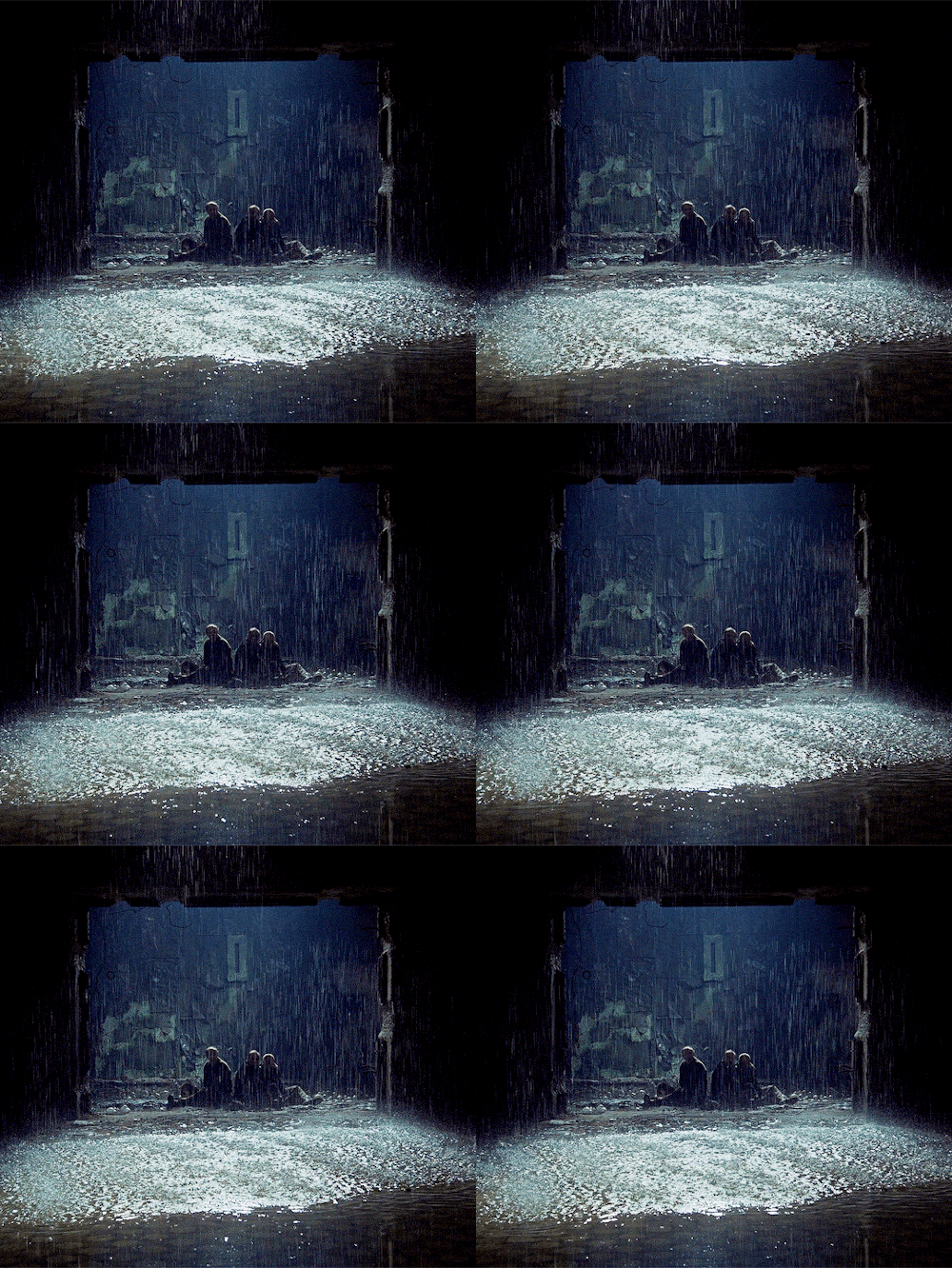
The Writer, Professor, and Stalker are back at the bar, where the Stalker’s Wife and Daughter arrive to meet them. The Writer and Professor appear just as they arrived - the effects of the Zone on them, if any, are absent. They appear tired, but none too taken aback at their experiences. The dog has followed the group back to the Real World. The Stalker leaves, and carries his Daughter on his shoulders. When the family returns home, the Stalker collapses from exhaustion. He is tended to by his caring and loving Wife, who gives him a sleeping pill. The Stalker feels he has failed his mission, his duty, as the Professor and Writer are seemingly of “blank expression” and are still concerned with their material lives - they still do not believe in the Zone.
The Stalker’s Wife puts him to bed and comforts him. He is in complete emotional disarray and is undergoing ontological shock.
STALKER: “I’m not going there with anybody again.”
STALKER’S WIFE: “Do you want me to go with you?”
STALKER: “Where?”
STALKER’S WIFE: “You think I’ve nothing to ask for?”
STALKER: “No...You can’t go there.”
STALKER’S WIFE: “Why not?”
STALKER: “No, no. What if you fail?”
The Stalker falls asleep, and his Wife delivers a soliloquy to the camera:
“You’ve probably noticed already that he’s not of this world. All our neighborhood laughed at him. He was such a fool, he looked so pitiful. My mother used to say: “He’s a stalker, he’s doomed, he’s an eternal prisoner! Don’t you know what kind of children the stalkers have?” And I... I didn’t even argue with her.
I knew it all myself, that he was doomed, that he was an eternal prisoner, and about the children. Only what could I do? I was sure I would be happy with him. Of course, I knew I’d have a lot of sorrow, too. But it’s better to have a bitter happiness than... a gray, dull life.
Perhaps, I thought it all up later. But then he approached me and said: “Come with me.” And I did, and never regretted it. Never. We had a lot of sorrow, a lot of fear, and a lot of shame. But I never regretted it, and I never envied anyone. It’s just our fate, our life, that’s how we are.
And if we haven’t had our misfortunes, we wouldn’t have been better off. It would have been worse. Because in that case, there wouldn’t have been any happiness.
And there wouldn’t have been any hope.”
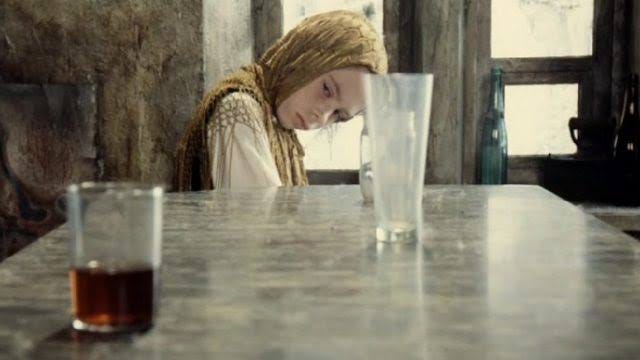
In the other room, the Stalker’s Daughter places her head on the kitchen table and appears to move drinking glasses with her mind.
A train passes, and a glass falls to the floor.
EVERYTHING WAS FOREVER…
In 2006, Russian anthropologist Alexei Yurchak published his book Everything Was Forever, Until It Was No More: The Last Soviet Generation. The book details the greater political, social, and cultural life that existed in the Soviet Union between the collapse of Stalinism in the 1960s and the beginning of perestroika (restructuring), which occurred in the late 1980’s. This period is referred to as late-socialism in the book, and this period, Yurchak argues, is a period that existed in opposition to what we Westerns frequently assume about Soviet culture and political activity.
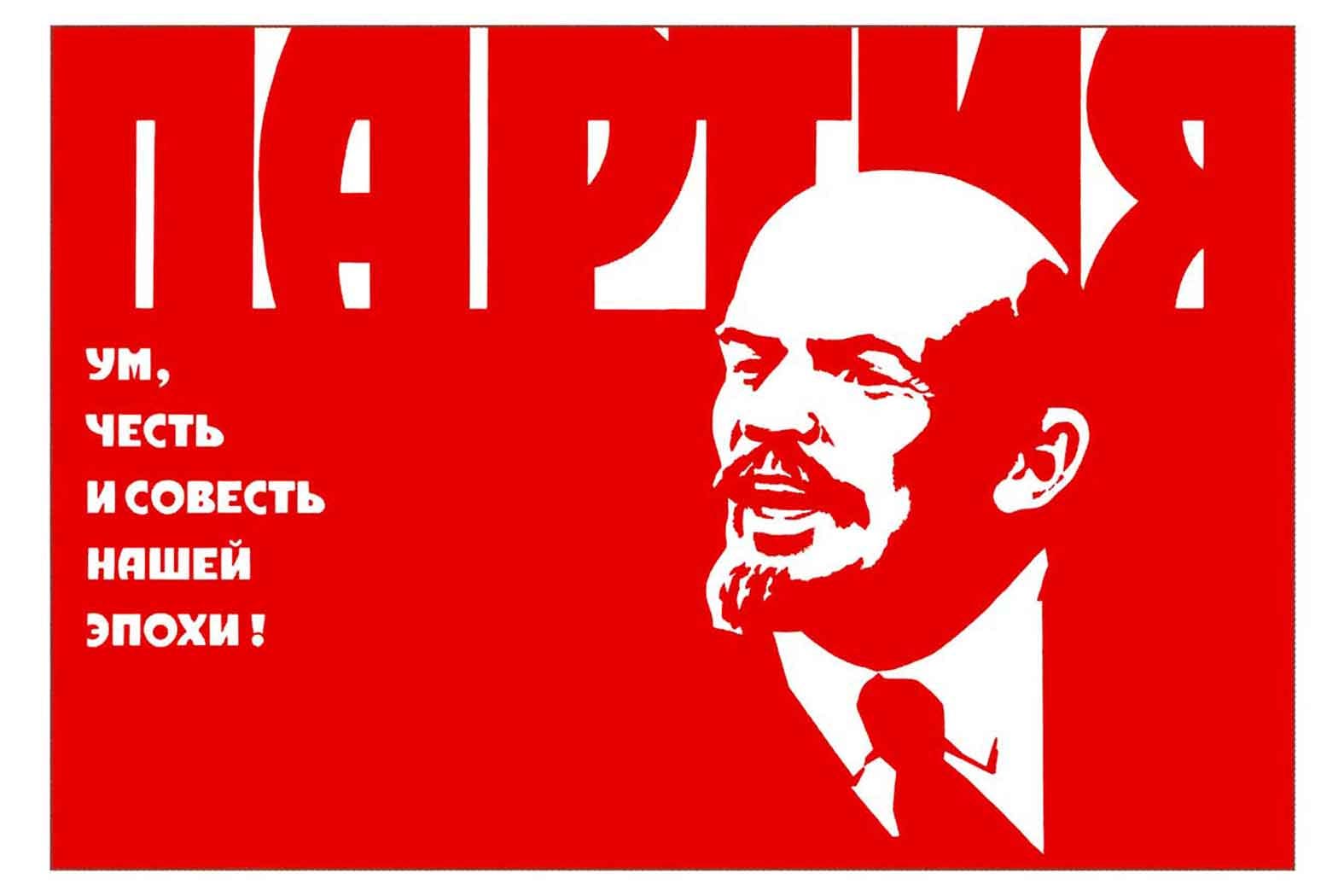
There existed, he argues, a certain melding of legitimate faith and belief in Soviet ideals (“equality, community, selflessness, altruism, friendship, ethical relations, safety, education, work, creativity and concern for the future”)2 and the simultaneous disillusionment and transgression that existed within the strict Soviet political, social and economic structures. In other words, the hyperreal world that the Soviet Union created through political language, ritual social activity, and surreal economic inefficiency were paramount to actually creating a kind of decentralized cohesion among individuals that could only exist inside an authoritarian socialist state.
It’s a little paradoxical if you think about it.
“In the society built on communist ideals, this paradox appeared through the announced objective of achieving the full liberation of the society and individual (building of communism, creation of the New Man) by means of subsuming that society and individual under full party control. The Soviet citizen was called upon to submit completely to party leadership, to cultivate a collectivist ethic, and repress individualism, while at the same time becoming an enlightened and independent-minded individual who pursues knowledge and is inquisitive and creative.”
- Everything Was Forever, Until It Was No More, 39-40 (Libby)
The Soviet Union was filled with such social and political paradoxes.
Yurchak coined a term to describe the kind of pervasive atmosphere created by these paradoxes during this period: hypernormalisation. Hypernormalisation is specifically referenced in the application of language, text, and ritual, but it has now come to describe the overall application of such things into a broader social atmosphere.
The term, now famously shared with a film by BBC documentarian Adam Curtis, describes a social or political state where, even though there are wide-spread failures, obvious falsehoods, surreal lapses in consensus reality, and decaying structures of legitimacy, the individuals that exist and live in this state continue on as if nothing is occurring, because any possible alternative and even the complete collapse or failure of the system itself is seen as impossible, improbable, or entirely inconceivable.
The paradox of Soviet socialism was that life was both “stagnating and immutable, fragile and vigorous, bleak and full of promise.” 3
But hypernormalisation doesn’t just occur in politics - it existed in every aspect of Soviet life, from music to language to scientific development to art: everything was already known and established under Soviet “authoritative discourse.”
A good examples is presented here, referencing the written word:
“[This normalizing process] followed the general principle of presenting all knowledge as knowledge that was already established. As a result, the temporality of authoritative discourse shifted into the past, conveying new facts in terms of preexisting facts. The author’s voice converted into the voice of a mediator of preexisting discourse rather than the creator of new discourse.”
- Everything Was Forever, Until It Was No More, 615-616 (Libby)
These recurring and ever-compounding paradoxes are hyperstitional - the reality that they artificially constructed soon came to be, and this process is the hypernormalisation of social and political life where reality is as easily manipulated as common language.
Stalker was filmed over several years, and was plagued with production problems. It was officially released in 1979, at the height of late-socialism.
THE MEN AS SYMBOLS OF THE USSR
No one enters the Room, and the three men return to the bar.
The long journey, fraught with danger and an equally tantalizing beauty, is one of faith, discovery, and tragedy - it’s a great allegory for the Soviet Union. The Zone, for as expansive and beautiful as it is, is melded by those who enter it and is, paradoxically, completely ordinary. The Zone is fundamentally unknowable to us - its greater machinations and processes are so alien and abstract that any attempt to understand how it functions leaves us to equally questionable conclusions.
For many in the USSR, the complex systems that guided the country were so abstract and mired in overly-complex processes that day-to-day activity became simultaneously ritualistic and oriented around a deep-seated faith that, well, everything will work itself out, because the system simply couldn’t fail.
“I refer to this relationship to reality by the term vnye. To be vnye usually translates as “outside.” However, the meaning of this term, at least in many cases, is closer to a condition of being simultaneously inside and outside of some context-such as, being within a context while remaining oblivious of it, imagining yourself elsewhere, or being inside your own mind. It may also mean being simultaneously a part of the system and yet not following its parameters. For example, the phrase vnye polia zreniia (not within one’s field of vision) is used when something is known to be here, but is invisible or obstructed from view by another object.”
- Everything Was Forever, Until It Was No More, 297-298
This faith was not religious, but still deeply human. We know that the USSR was officially an atheist empire, but to say that Orthodoxy and other religions did not still exist in both theory and practice is fundamentally wrong - the repression of religion eased up a little after the the Second World War, but because the state controlled so much of the arts and media, artistic presentations of religious faith were strictly scrutinized.
Therefore, artistic mediums like science-fiction in literature and cinema were powerful mediums with which to express potentially dissenting worldviews.
Tarkovsky was a deeply-faithful man, and wrote in his notes and journals about the soul, faith, and the divinity of the natural world. The Stalker, like Tarkovsky, is a man of deep-seated belief, and holds these beliefs in the face of external aggression - they both believe in the Zone as a place of reflection and meditation.
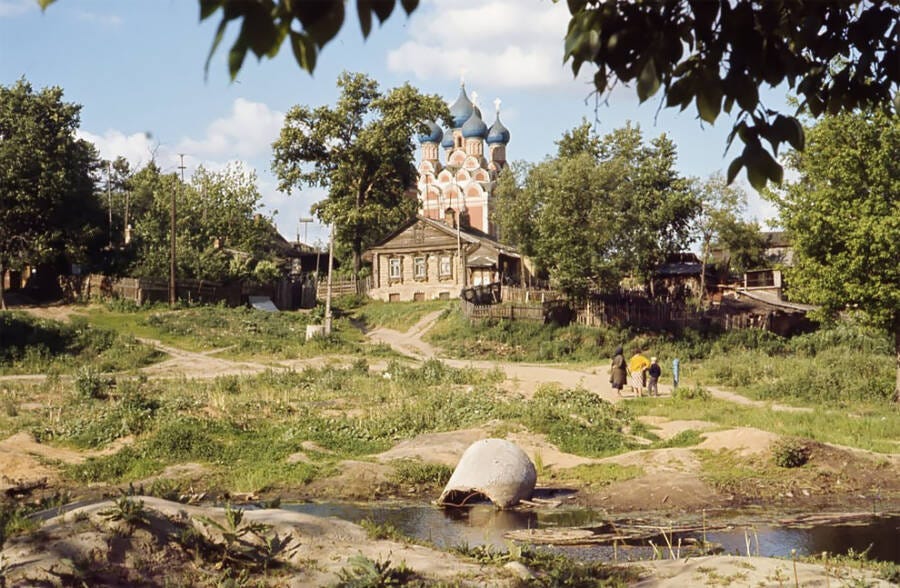
The Stalker only has a very basic idea of how the Zone operates, and these are cursory understandings - he can hypothesize how things like the Meat Grinder (a term frequently associated with Soviet gulags) function, but can only do so by superimposing his own beliefs onto it. The faith of the Stalker is his guiding light in a world that has become lost. The external world - the industrial wasteland that we assume is a representation of a nondescript Soviet country - has lost this faith in favor of realism and material wealth, often at the expense of the individual.
His belief is based on the illusion that the Zone is truly useful for the betterment of humanity, and that the role of the Stalker is not an act of overt selfishness - Stalkers are purportedly unable to enter the Room - rather, it is the selfless act of guidance as a man of faith. The Zone is a natural paradise, a home for the faithful, an allegorical Eden for the lost in the world of late-Socialism - the Stalker is the missionary of this mysterious theology. If he were allowed to escape to the Real to exist in the Zone, he surely would.
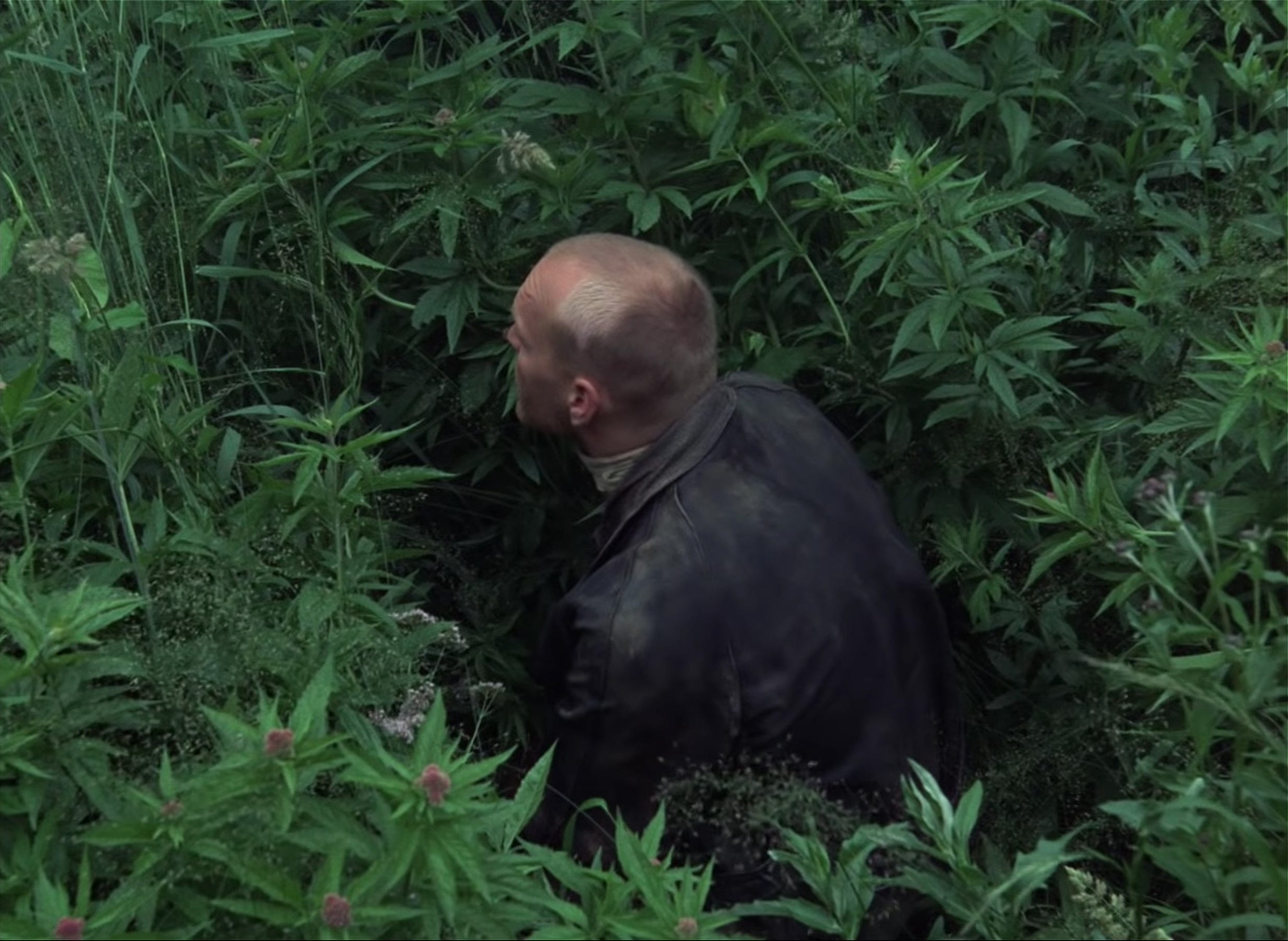
The Writer and Professor are two equally important manifestations of late-Socialism.
The Writer, a creative in search of greater external recognition, comes to discover that what he seeks may not truly be his deepest, most intimate desire. The Writer, disillusioned with the current established culture, initially assumes his entry into the Room would bring him inspiration, longevity, and happiness. He soon realizes this is a misguided and narrow perspective, as the knowledge that any creative process that emerges is merely a reflection or manifestation of his “selling out” to the power of the Room. Desire is fundamentally unknowable, and he doubts the legitimacy of the Room that is said to grant it - in the Zone, he argues, the Stalker is God, a mere huckster playing tsar in a perfectly ordinary world. He is unable - or too fearful - to engage with his enigmatic and fundamentally inconceivable innermost desires.
The Writer is a representation of the staunch Soviet realism we have come to expect from Western portrayals of the USSR, especially in relation to broader topics like faith and belief. The Writer sees the Room in a similar way as the Professor - but the Writer’s misguided realism assumes that the darkness, cynicism, and selfishness present in his own life (as a prolific author) is present in all of mankind. The Writer eventually goes so far as to preach to the Stalker about his own misguided faith.
Is the Writer character an allegorical representation of Tarkovsky himself?
“You’re simply one of God’s fools.”
- Writer
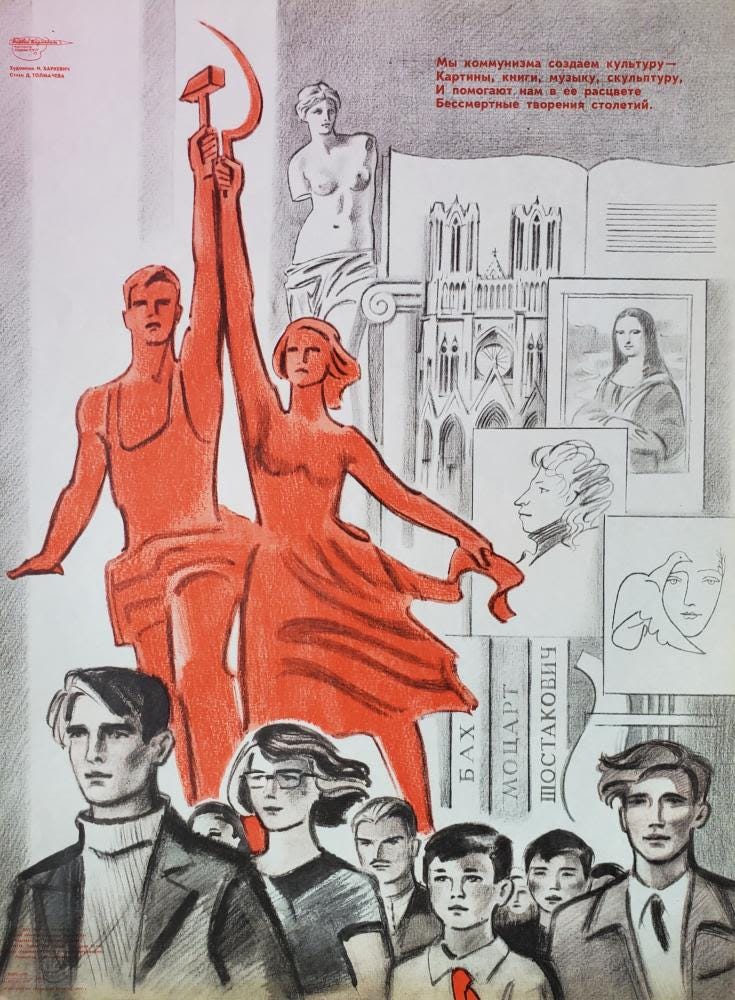
The Professor represents a victim of this Soviet realism. Science, truth, and objectivity are presented as the most important factors in his drive to reach the Room. But is is also revealed that he is guided by vengeance and driven by retribution. His desire to destroy the Room is representative of the authoritarian bureaucracy attempting to control and manipulate science and knowledge to protect the established structure.
The Writer chastises the Professor for the seemingly paradoxical development of technology in that it allows men to consume more commodities. The ethos of science has been coopted by the state for unscrupulous means.
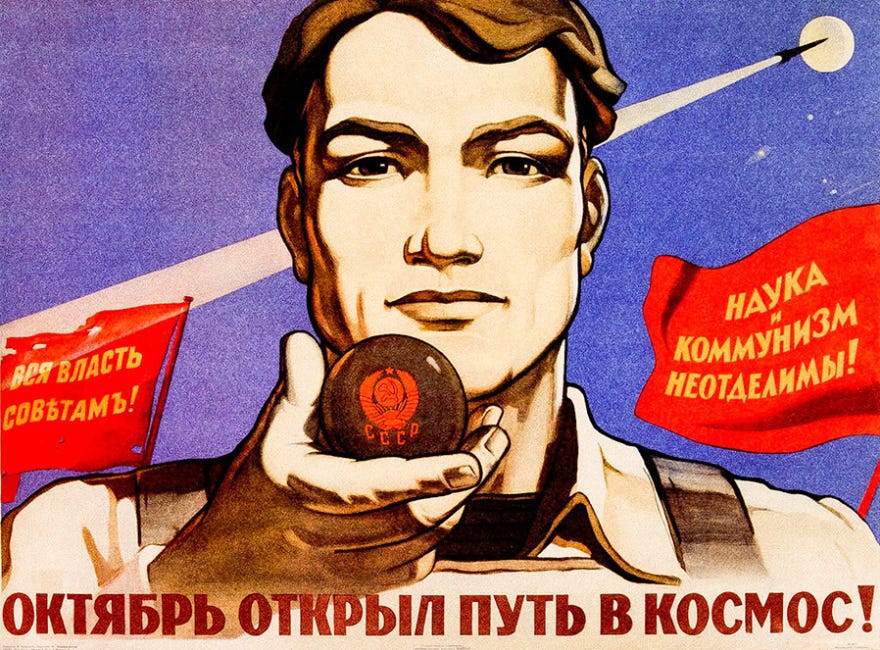
The Soviet authoritative discourse, especially during the early period of the Soviet Union, strictly prohibited and controlled certain scientific development, as certain fields did not align with Marxist thought (dialectical materialism.) The Professor is an aberration - his journey to the Zone is a refusal, a turning away of these ideals - hence, he leaves the Room intact: his eventual realization is that the truly evil would never attempt to utilize a mystical power like the Room for nefarious activities. Science, a human creation, does not control the natural world.
Rather, it interprets it, and the interpretations are useful only to mankind.
“Truth is born in arguments.”
- Professor
THE STRANGE WORLD OF LATE-CAPITALISM
Late-capitalism is not too different from late-socialism. Well, it’s actually very different, but the possible futures we can imagine aren’t too different… and those futures stem from very similar modes of thought.
What is truth? Does truth even exist anymore? Some may say we live in a “post-truth world,” where everything is entirely subjective and paradoxical “alternative facts” exist in relation to any potential viewpoint or argument. The growth of “do your own research” in things like vaccine efficacy and climate denial are evidence of a decay in unified understanding that previously relied on a strong, centralized discourse at the behest of a strong, established narrative, which was dictated by credential logic and understanding, rather than political and social identitarianism.
The Soviet authoritative discourse existed as a means to control and reestablish the language of social and political activity. In late-capitalism, especially in the United States, there is no singular, unified discourse amongst individuals. Rather, there exists a fragmented language that exists only as references to other signs.
Consider the proliferation of internet language and ideology into the greater political sphere. Consider terms like “incel” and “chad” and “-maxxing” in conjunction with other internet-based political imagery. Memes and symbols such as Pepe the Frog, wojak comics, and the “ok” symbol are now synonymous with political identarian movements. These terms and images, once relegated to message boards, have breached the mainstream and appear on t-shirts, protest signs, and even on the news. Capitalism consumes every possible image and referent and utilizes it to maintain itself. This is why revolutionary and anti-capitalist messaging are co-opted and able to be sold as image-based dissent.

This decentralized language exists because the internet has simultaneously created global unity and individual alienation. As the anonymity of the internet expanded, the growth of such signs and symbols allowed internet activity to become as important socially, culturally, and politically as anything that occurred IRL - in the real world. And as the technology that allowed access expanded, every single person in the world became able to participate in decentralized cohesion that transformed language and symbolism into a kind of political abstraction relegated by a hypernormalised individualism. Politics become pure simulation. “Owning the libs” or “owning the chuds” have become symbolic ventures that don’t have any real political aims apart from vitriolic retribution under the guise of moral grandstanding, which is me being quite generous, at best. Party-based victories are pure spectacle - these victories are purely symbolic.

“…because authoritative language was hegemonic, unavoidable, and hypernormalised, it was no longer read by its audiences literally, at the level of constative meanings. Therefore, which statements represented “facts” and which did not was relatively unimportant. Instead, Soviet people engaged with authoritative language at the level of the performative dimension…”
- Everything Was Forever, 181
We can consider the paradox of alienation and connection in capitalist telecommunications a bit more. As screen-based telecommunicative technology grew, more and more individuals retreated from the social Real to virtual simulations in cybernetic computer systems. It’s much easier to talk to someone when you aren’t speaking to them directly, but this paradoxical activity actually benefits capitalism by maintaining individualist perceptions of the world and in economic systems. Only in decentralized chatrooms could 1,000 unique individuals collectively exclaim “well, there really is nothing to be done, is there?” before logging off. These are ritual behaviors that understand the fundamentally overwhelming power of capitalist thought control in modernity but simultaneously continue on as if nothing can happen - Mark Fisher refers to this as reflexive impotence.
All is not lost, however. I mention this common banality so we can address that recent revolutionary and history-defining moments - the Arab Spring, for example - were spearheaded and coordinated by social media use:
“We need to think very strategically about how to use social media – always remembering that, despite the egalitarianism claimed for social media by capital’s libidinal engineers, that this is currently an enemy territory, dedicated to the reproduction of capital. But this doesn’t mean that we can’t occupy the terrain and start to use it for the purposes of producing class consciousness. We must break out of the ‘debate’ set up by communicative capitalism, in which capital is endlessly cajoling us to participate, and remember that we are involved in a class struggle. The goal is not to ‘be’ an activist, but to aid the working class to activate – and transform – itself. Outside the Vampires’ Castle, anything is possible.”
- Mark Fisher, Exiting the Vampire Castle
Consider nostalgia-based media and planned-obsolescence in technology. Since all media is fundamentally connected now via the internet, anything novel is a fundamental gamble for attention and profit amongst the consumer. As such, tried-and-true cultural vehicles and variations on existing franchises are at the forefront of cultural production. In a similar, albeit paradoxical vein, we have planned obsolescence amongst new, emergent technologies.
Items like smartphones are not made to last forever - if they were, there would be no reason for smartphone manufactures to continue to exist and make money. In order for smartphones to sell, there has to be increased developments in the technology, or the introduction of secondary and tertiary technologies in association with the core product. As technology advances, culture stagnates.
What we previously imagined to be highly-advanced, machine-driven society bathed in chrome has been lost to nostalgia. Instead, machines take the place of creatives, and the menial work is still passed to the consumer. Because without them, well, who would spend money?
Artificial scarcity (in homes, especially) functions in the same way.
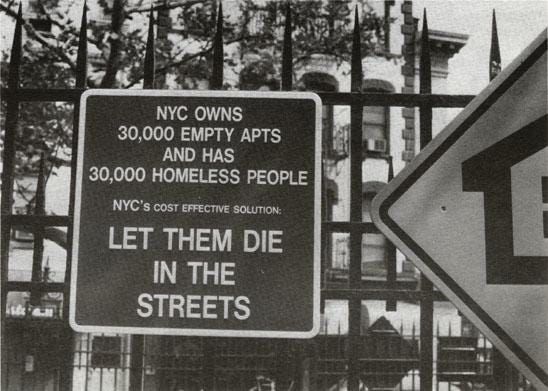
The most pressing and destructive in late-capitalism is the economic core of capitalist development. Capitalism is a resource-consumption machine. As capitalism requires ever-more resources, labor, and utilities to create and distribute commodities, there will eventually reach a point where the material resources on our planet will be exhausted. Billionaire bankers, investors, and think-tanks understand this, but they do not understand how this devastation actually functions.
Capitalism assumes ever-increasing growth - this is not a tenet of the natural world. In capitalism, the end is an afterthought, an imagination, an easily disregarded variable that has nothing to do with the valuation of current market conditions. For as long as your life is that of wealth, well, to hell with the rest. Capital is an eschatological white-horse, the demon of greed, the destroyer of worlds.
The paradox of limitless growth and limited time.
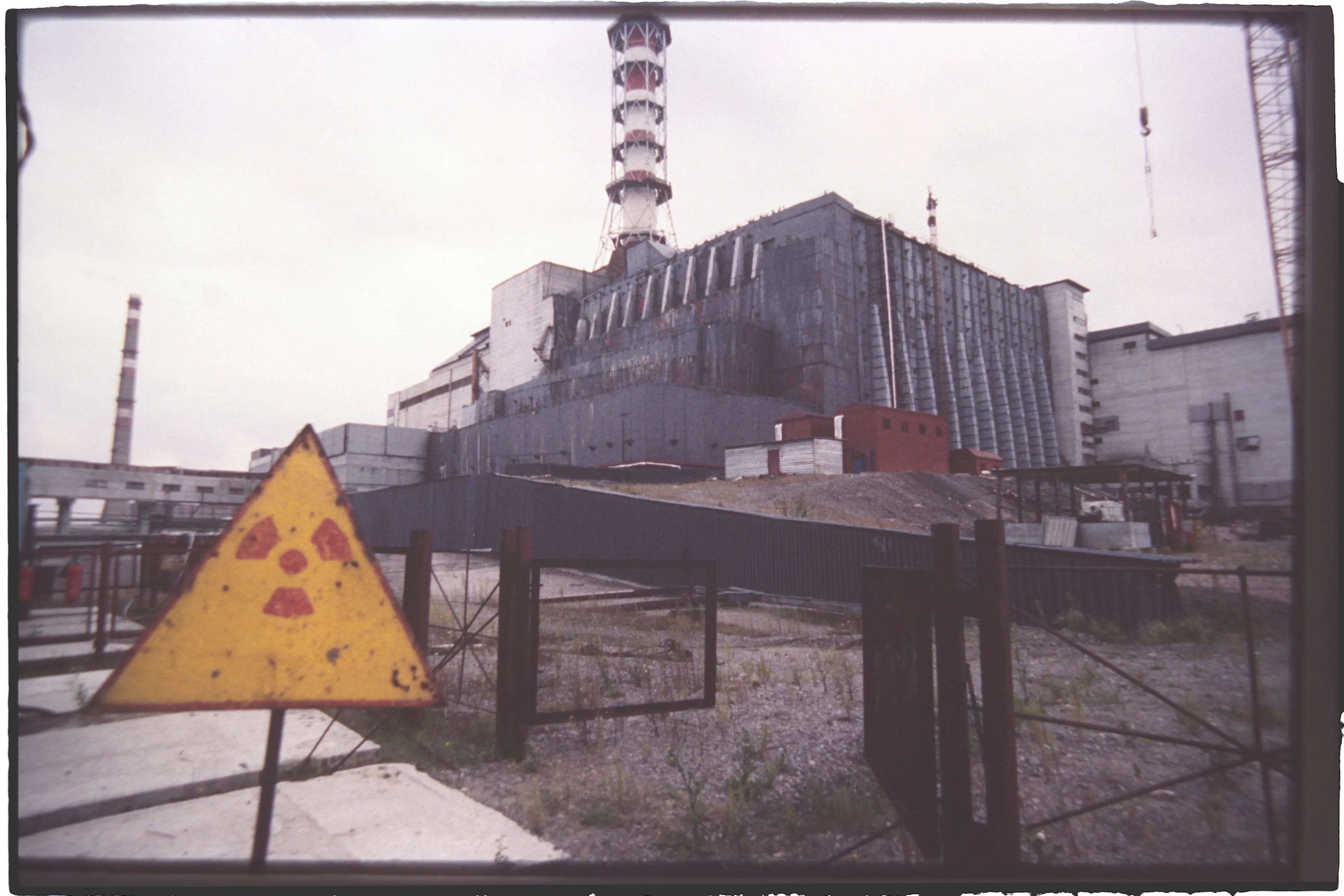
The most apparent paradox is the very same paradox that consumed late-socialism, and that is the paradox of hypernormalisation. In modernity, because of capitalist realism, we believe that the economic engine of capitalism is the only viable economic system.
As it is, is as it was.
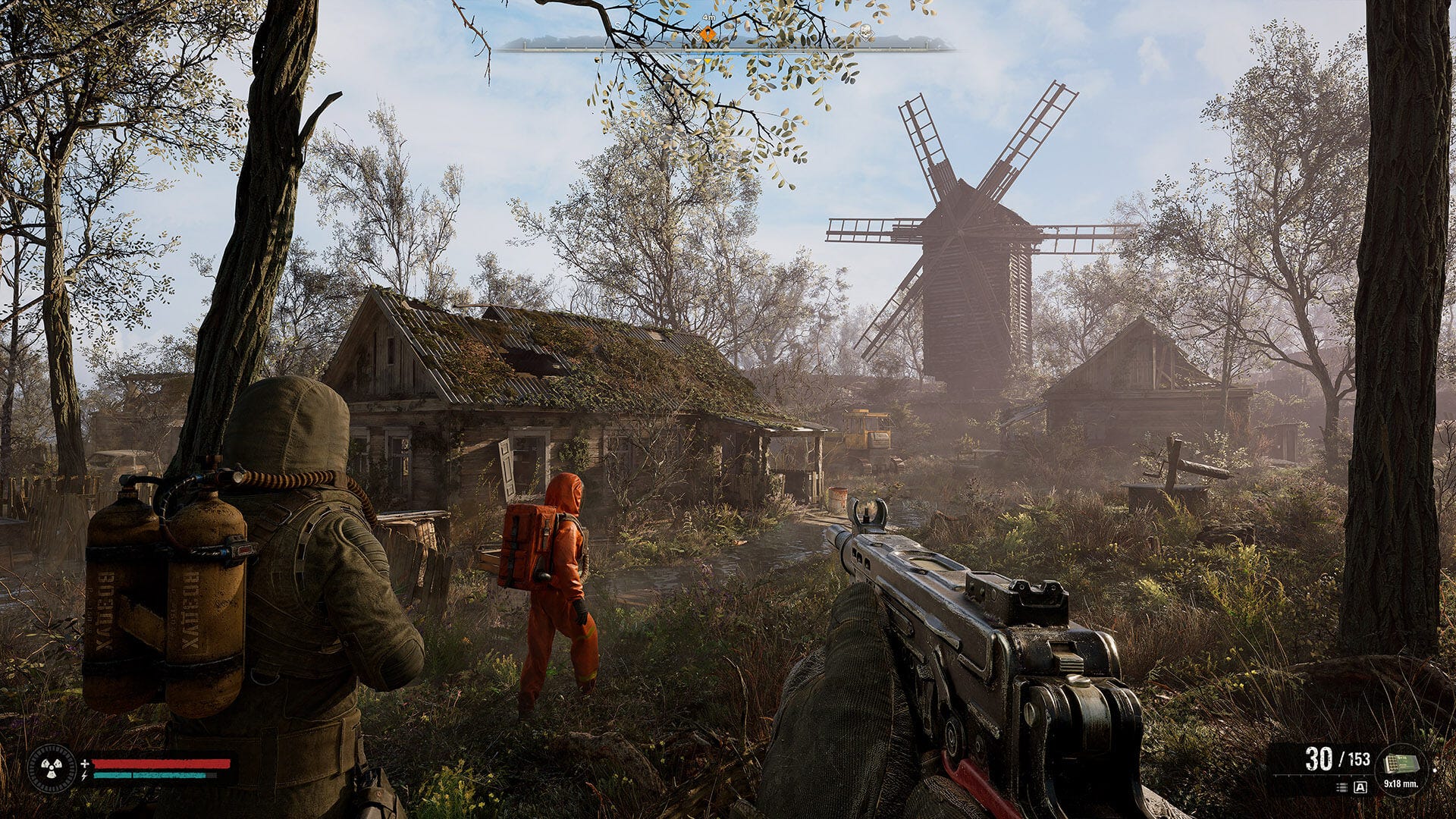
We find it extremely difficult to imagine coherent or alternative systems to capitalism - we can only envision mitigation, redirection, and increasing the efficiency of current systems to slow what industrialization has already wrought. The obsession with disaster films and post-apocalyptic video games and fiction signifies that we can only imagine a complete reset - a complete and total collapse - before we can conceive of anything occurring that signifies a real, structured shift.
… UNTIL IT WAS NO MORE
By the 1980’s, the paradoxes in the Soviet Union were compounding. As such, the paradoxical life that was lived during the tail-end of the late-Socialist period existed in a surreal balancing act of unexpectedness and prescient readiness. The Soviet system was nearing collapse.
Something had to be done.
The Soviet Union, with Gorbachev at the helm, underwent perestroika in the 1980’s, which saw a wide-spread restructuring of the economy in favor of a kind of limited liberal economic injunction. This was an attempt to end the period of lengthy stagnation that had shuttered the Soviet economic system during late-socialism - the period of hypernormalisation.
As such, individuals within the Soviet Union began to realize that many of the changes occurring were real. These were no longer symbolic gestures of linguistic falsehood, these were real measures to alter daily life. Yerchak states that, during this period, many people experienced what was called perelom saznania (“break of consciousness”) and sil’neishii (“stunning shock”).4 Yerchak goes on to highlight that, during this period of rapid transformation, individuals began to experience new forms of literature, music, films, and cultural print works. Topics of conversation adapted and changed during this period. Yerchak states that these conditions did not create collapse - it was, rather, a transformation that was as wholly unexpected as it was eagerly anticipated and accepted.
But herein lies another paradox: the socialist state cannot admit that a capitalist intervention in the economy could assist or even exist in tandem with the superior Soviet state. Limited liberal economic influence was applied as assistance to the management of economic systems and production methods. But Soviet planned economies were ill-equipped to deal with such a sudden shift, and a severe disruption occurred. The dissolution of state distribution and the new, nonexistent free-market systems of distribution ensured goods stayed off shelves. The power vacuum saw entire markets, factories, and companies bought out by the elite. The economy was fracturing, and only a handful were to reap the rewards of a crumbling empire.
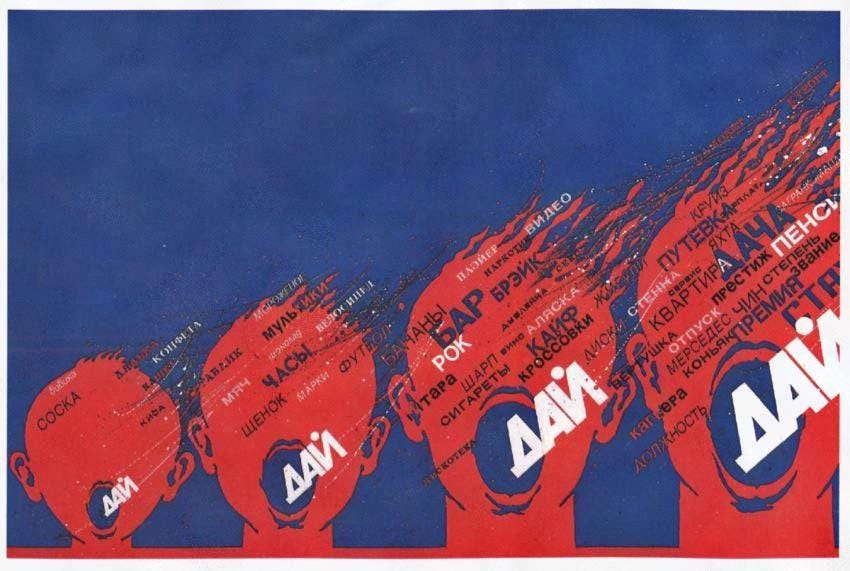
The Communist Party also began implementing what was referred to as glasnost (openness, transparency) in order to rebuild faith in Soviet political systems. Information was less compartmentalized and more accessible, and many foreign travel restrictions were lifted. The once “Imaginary West” - the “elsewhere of Late Socialism” - was now open. Information about the outside world, once relegated and heavily controlled by the hypernormalised press, was free to flow more efficiently through culture at large. The widely held, invisible consensus reality of the Soviet state as a failing entity could be illuminated by an increasingly free press.
Demokratizatsiya (democratization) was also implemented as a means to revive the political systems by allowing the election of political leaders and participants to aid in reform policies. This functioned similarly to the paradox of perestroika - how could the objective Soviet state allow or explain the introduction of alternative methods of representation? Well, the Communist Party would have to retain all of the systemic power under the guise of increased democratization.
The Soviet Union collapsed in 1991.
PЕАЛЬНЫЙ (REAL)
In Stalker, the ultimate situational paradox is the journey from the decaying Real to the mystical Room. After some 90 minutes of treacherous travel and philosophical quandary on the nature of the Zone, our characters never even enter the Room. Perhaps the Room, an apt metaphor for a post-Soviet life, is too frightening, too unnerving, and too incomprehensible for anyone to truly imagine what potential manifestations may emerge from it. The journey through late-Socialism to post-Socialism - the end of history as it is posited - is as much a metaphorical journey as it is literal.
When we watch the film, we too travel the Zone, and are forced to consider our own place in the world.
But for us, this world is not one of Marxism or authoritarian communism. Rather, it is the world of late-capitalism, and it is just as strange… and just as beautiful. The potential we have to change our world is right before us. We must learn from the collapse and the failure of the Soviet Union if we are to soften our own slide from hegemony into the unknown.
The first step is to have belief in a better world. There are amazing things on the other side… we just have to have faith.
I think I will speak to my neighbors today. Maybe ask them to take a walk with me.
Perhaps you should, too.
The Strugatskys also penned the screenplay for the film
35-36, Libby version
27-28, Libby version
23-24, Libby version